What is a Measured Survey? Complete Guide for Property Owners
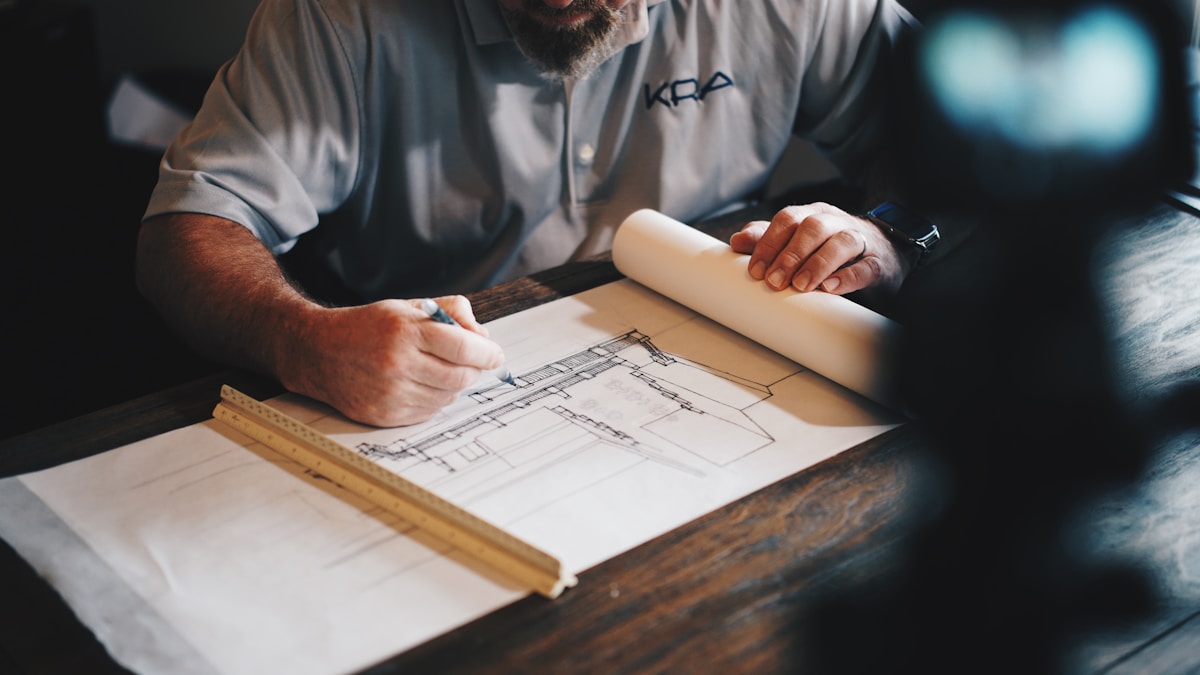
A measured survey is a detailed survey that captures the precise measurements and dimensions of a building or site. It creates accurate floor plans, elevations, sections, and site plans that architects, developers, and property owners use for design, planning, and construction projects.
If you're planning a building project, renovation, extension, or need accurate property documentation, you've likely been told you need a measured survey. But what exactly does that mean? This complete guide explains everything you need to know about measured building surveys in clear, simple terms.
Understanding Measured Building Surveys
A measured building survey (also called a measured survey or building survey) is the process of accurately measuring a building or structure to create detailed technical drawings. These drawings show the exact dimensions, layout, and features of your property.
Unlike a homebuyer's survey that checks the condition of a property, a measured survey focuses purely on measurements and spatial data. The result is a set of precise CAD (Computer-Aided Design) drawings showing floor plans, elevations, cross-sections, and other views of your building.
What Does a Measured Survey Show?
A comprehensive measured building survey typically includes:
- Floor Plans: Showing the layout of each floor with all walls, doors, windows, staircases, and permanent fixtures
- Elevations: External views of each facade showing heights, windows, doors, architectural features, and materials
- Cross-Sections: Cuts through the building showing internal ceiling heights, floor levels, roof structures, and vertical relationships
- Site Plans: The building's position within its plot, showing boundaries, access points, and external features
- Dimensional Information: Accurate measurements annotated throughout the drawings
- Features & Details: Services, fixtures, structural elements, and architectural details as required
When Do You Need a Measured Survey?
Measured surveys are essential for many building and property projects. Here are the most common situations where you'll need one:
Planning an Extension or Renovation
Before architects can design an extension or renovation, they need accurate drawings of your existing building. A measured survey provides the precise dimensions and layout information they need to create designs that fit perfectly with your property.
Without accurate measurements, architects must rely on estimates or hand-measure themselves, which is time-consuming, less accurate, and can lead to costly design errors discovered during construction.
Planning Applications
Many planning applications require accurate drawings showing existing buildings and proposed changes. A professional measured survey provides drawings that meet local authority requirements and clearly show the current state of your property.
Building Refurbishment
Refurbishing commercial or residential buildings requires detailed knowledge of the existing structure. Measured surveys reveal the true condition and layout, identifying structural elements, ceiling heights, floor levels, and other critical information before work begins.
Property Marketing
Accurate floor plans make properties more attractive to potential buyers or tenants. Professional measured survey drawings clearly show room layouts, dimensions, and space, helping viewers understand the property before they visit.
Facilities Management
Building owners and facilities managers use measured surveys to maintain accurate records of their properties. These drawings support space planning, maintenance scheduling, asset management, and future development projects.
Listed Buildings and Conservation
Historic buildings require careful documentation before any work. Non-intrusive 3D laser scanning is ideal for listed buildings, capturing every architectural detail without physical contact or damage to sensitive surfaces.
How Measured Surveys Work: The Process
Understanding the measured survey process helps you know what to expect and how to prepare. Here's how it typically works:
Step 1: Initial Consultation
You contact a surveying company and describe your project. They'll ask about the property type, size, location, and what drawings you need. Based on this information, they provide a detailed quotation outlining the scope of work, deliverables, timeline, and cost.
Step 2: Site Survey
Surveyors visit your property with specialized measuring equipment. Modern surveys use 3D laser scanners that rapidly capture millions of measurement points, creating a detailed "point cloud" of the building.
Traditional hand-measured surveys involve surveyors manually measuring distances, heights, and features using tape measures and laser distance meters. This method is slower and less comprehensive than 3D laser scanning.
The site survey typically takes 2-6 hours depending on building size and complexity. For a typical house, expect 2-3 hours. Larger commercial buildings may require a full day or multiple visits.
Step 3: Data Processing
Back in the office, surveyors process the collected data. For 3D laser scans, this involves registering multiple scans together, cleaning the point cloud data, and preparing it for drawing creation.
This processing stage ensures accuracy and removes any errors or unwanted elements from the survey data.
Step 4: CAD Drawing Production
Surveyors create detailed CAD drawings from the processed survey data. They produce floor plans, elevations, sections, and other views as specified in your quotation.
Drawings are fully dimensioned with annotations explaining key features. Different elements are placed on separate layers for easy editing and customization by architects or designers.
Step 5: Quality Control
Before delivery, drawings undergo quality checks to ensure accuracy, completeness, and compliance with professional standards. Senior surveyors review the work to catch any errors or inconsistencies.
Step 6: Delivery
Final drawings are delivered in your preferred format, typically including AutoCAD DWG files for editing, PDF files for easy viewing and printing, and sometimes Revit BIM models for 3D coordination.
From site survey to final delivery typically takes 5-7 working days. Rush services with 2-3 day turnaround are available for urgent projects.
3D Laser Scanning vs Traditional Measuring
Modern measured surveys use two main methods: traditional hand-measuring and advanced 3D laser scanning. Understanding the differences helps you choose the right approach for your project.
Traditional Hand-Measured Surveys
Traditional surveys involve surveyors physically measuring buildings using tape measures, laser distance meters, and other handheld tools. They sketch the building on site, then create CAD drawings back in the office.
Advantages:
- Lower equipment costs can mean cheaper prices for small projects
- Suitable for simple buildings with straightforward layouts
- No specialized equipment needed for small spaces
Disadvantages:
- Time-consuming on site, requiring longer access periods
- Less accurate (typically ±10-20mm vs ±2-5mm for laser scanning)
- Can miss details or hard-to-reach areas
- Difficult for complex buildings with intricate features
- More disruptive to occupied buildings
3D Laser Scanning Surveys
3D laser scanning uses advanced technology to rapidly capture millions of precise measurements. The scanner emits laser beams that bounce off surfaces, measuring distances with incredible accuracy. This creates a detailed 3D point cloud of the entire building.
Advantages:
- Extremely accurate (typically ±2-5mm)
- Much faster on site (often 50-70% quicker)
- Captures far more detail and information
- Ideal for complex buildings and heritage structures
- Non-intrusive and minimal disruption
- Creates permanent 3D record for future reference
- Reduces need for return visits
Disadvantages:
- Higher equipment costs can mean slightly higher prices
- Requires specialized training and expertise
For most projects, 3D laser scanning is the superior choice. The accuracy, speed, and comprehensive data capture far outweigh any minor cost differences. Modern surveying practices increasingly rely on laser scanning as the industry standard.
What Measured Survey Deliverables Should You Expect?
When commissioning a measured survey, you'll receive professional CAD drawings in industry-standard formats. Here's what to expect:
Drawing Formats
- AutoCAD DWG: The industry standard CAD format, fully editable by architects and designers
- PDF: Universal format for easy viewing, printing, and sharing
- Revit (Optional): BIM format for 3D coordination and advanced projects
Drawing Content
Professional measured survey drawings include:
- Fully dimensioned floor plans of all levels
- External elevations showing all facades
- Cross-sections through the building
- Site plan showing building location and boundaries
- Annotation of key features and materials
- Scale bars and north points
- Organized layer structure for easy editing
How Much Does a Measured Survey Cost?
Measured survey costs vary depending on several factors. Understanding pricing helps you budget appropriately and get value for money.
Typical Cost Ranges (UK 2024)
- Small Residential Property: £500-£1,200 (2-3 bedroom house)
- Medium Residential: £1,200-£2,500 (4-5 bedroom house)
- Large Residential: £2,500-£5,000 (6+ bedroom or multi-story)
- Commercial Buildings: £2,000-£10,000+ (depending on size and complexity)
Factors Affecting Cost
- Building Size: Larger buildings require more survey time and drawing production
- Complexity: Intricate layouts, multiple levels, and unusual features increase costs
- Detail Level: More detailed surveys capturing services, fittings, and finishes cost more
- Deliverables: Additional drawings like internal elevations or detailed sections add to cost
- Location: Travel time and access can affect pricing for remote locations
- Urgency: Rush services typically incur premium charges
Choosing a Measured Survey Provider
Selecting the right surveying company ensures you receive accurate, professional results. Consider these factors:
Qualifications and Accreditation
Look for RICS (Royal Institution of Chartered Surveyors) accredited surveyors. RICS membership demonstrates professional qualifications, adherence to standards, and appropriate insurance.
Technology and Equipment
Companies using modern 3D laser scanners (like FARO or Leica equipment) generally provide more accurate, comprehensive surveys than those relying solely on traditional methods.
Experience and Portfolio
Review the company's experience with projects similar to yours. Ask to see examples of completed surveys and client references.
Turnaround Time
Confirm the typical turnaround time and whether they can meet your project deadlines. Reliable companies provide realistic timelines and deliver on schedule.
Transparent Pricing
Quality providers offer detailed quotations explaining exactly what's included, with no hidden costs. Be wary of unusually cheap quotes that may indicate corners being cut.
Preparing for Your Measured Survey
Simple preparation ensures your survey runs smoothly and produces the best results:
- Provide Access: Ensure surveyors can access all areas requiring survey
- Clear Clutter: Remove temporary items and obstructions where possible
- Inform Occupants: Let tenants or family members know surveyors will be visiting
- Secure Pets: Keep pets secured during the survey for safety
- Utility Access: Identify location of meters, boilers, and services if they need surveying
Conclusion: Is a Measured Survey Right for You?
If you're planning any building project - whether a small home extension, major renovation, commercial development, or facilities management - a professional measured survey provides the accurate foundation your project needs.
Modern 3D laser scanning technology makes measured surveys faster, more accurate, and more comprehensive than ever before. The investment in professional surveying pays for itself by preventing costly design errors, supporting planning applications, and giving everyone involved confidence in the project data.
Get Your Measured Survey Quote
UK Measured Survey provides professional measured building surveys, 3D laser scanning, and scan to BIM services across London, Birmingham, Manchester, and nationwide. Our RICS-accredited surveyors use the latest technology to deliver accurate results with typical 5-7 day turnaround.
Contact us today for your free, no-obligation quote. We'll discuss your requirements and provide a detailed quotation within 24 hours.